
So we were back in London for the week and, as has been the case the last few times, I worked from London. But this time is different because I am retiring at the end of May. My replacement has already been hired and she is a good one, rapidly coming up to speed. So while I did work every day and almost put in a full week, it was also pretty chill. Every day I got up and put in an hour or two of work and then my husband and I had a planned activity. We’d enjoy that, have lunch, and then I’d go back to our room to work until dinner time.
There are a series of “Pub & rooms” in London where a small “hotel” stands above a historic pub. We’ve stayed at one before, The Bull and Hide. This time we tried The One Tun Pub & Rooms near Farringdon station, a pub supposedly patronized, in some earlier version, by Charles Dickens. From the outside, the pub didn’t seem like much and it wasn’t as thronged as other pubs nearby. When I finally saw the inside of it on–I’m ashamed to admit–the last day, it was so awesome. Cozy, fun, with delicious Asian food.
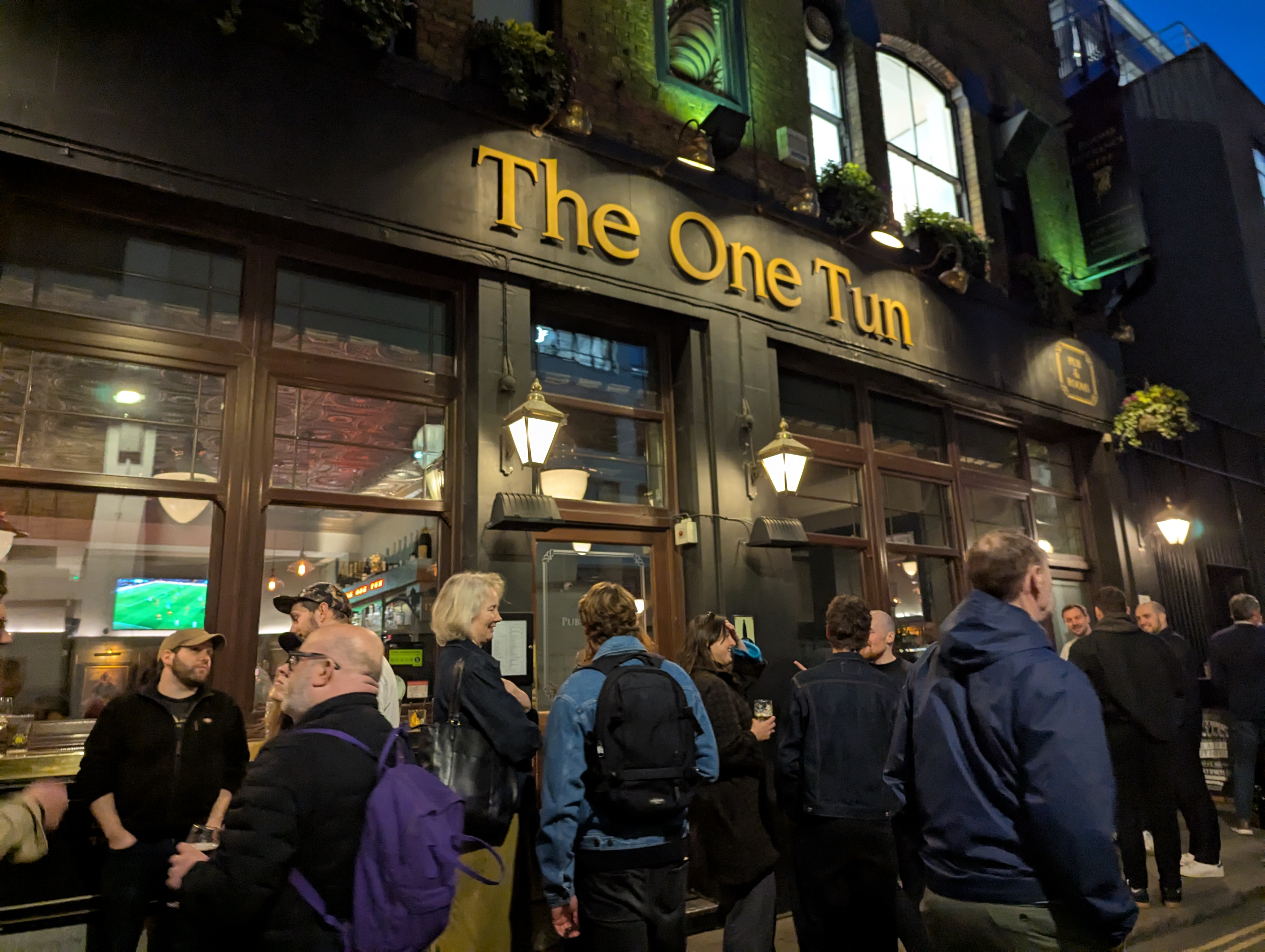
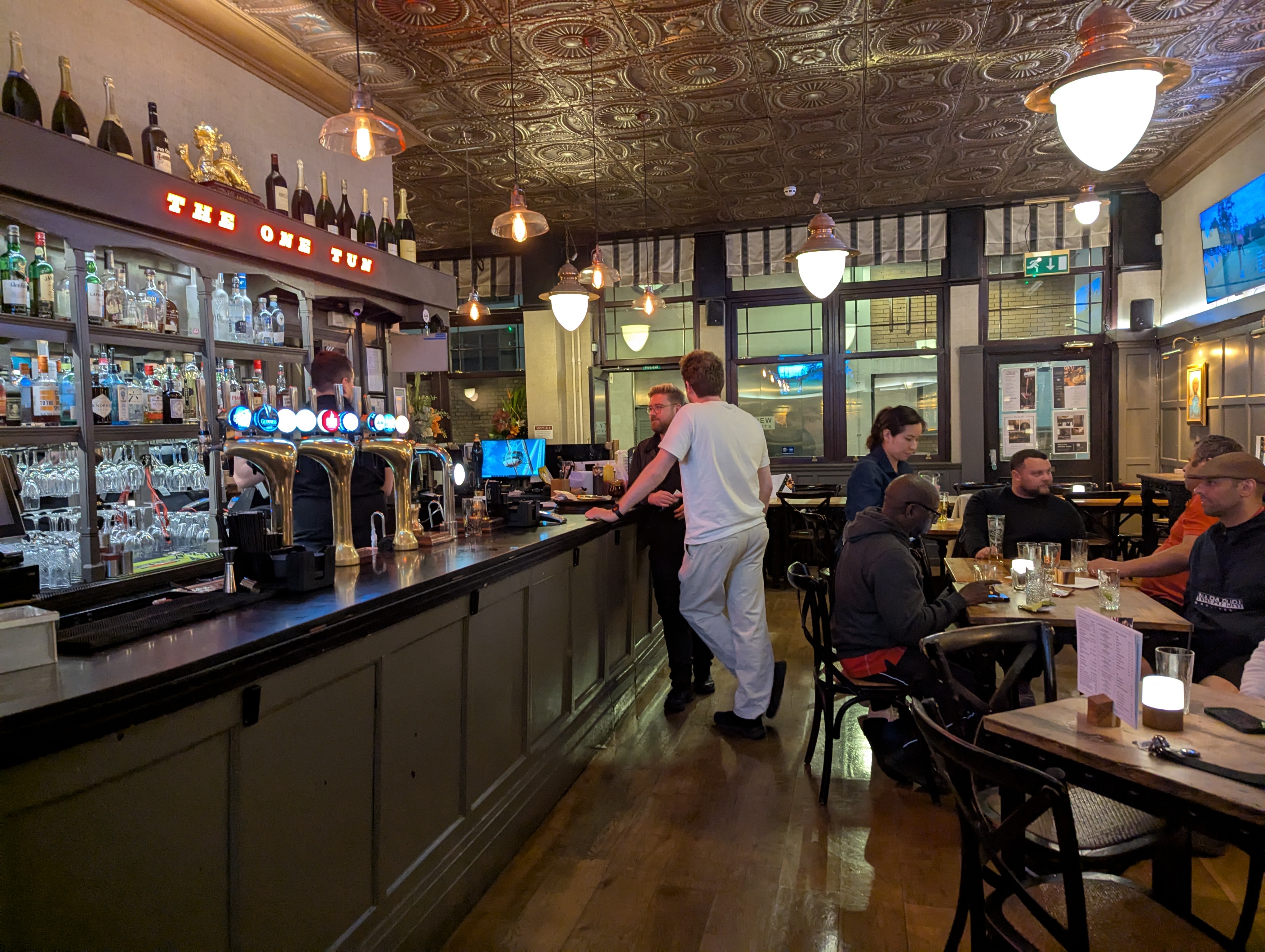
The rooms had a separate door, up some steep stairs. There were 3-4 rooms on our floor and more up a level. Cute and large room with lots of character. We were just above the pub. About 3:30 each day the noise from people gathering both downstairs and in the street outside and music playing would ramp up until about 9 p.m. By 10:30 each night it was pretty quiet.
The location was great. Farringdon station was a block away, so it was easy to get where we wanted to go, and there was a good selection of coffee shops, restaurants, and pubs nearby. This was the first time we visited London where it was more convenient to take the Elizabeth line than the Piccadilly line to and from the airport. Have to say the Elizabeth line is an easy way to travel. New, spacious cars, and there was never a time when we had to schlep our stuff up a bunch of stairs. Hotel excepting. I only packed a carry-on, but a week’s worth of crammed-in stuff is still kind of heavy for a near-retiree.
In the daily “fun hour” we managed the following attractions:
Siena: The rise of painting 1300-1350 at the National Gallery. This exhibit explores the art movement in 14th century Siena, dominated by Christian themes, drama, bright colors, and metallic finishes. That is a big oversimplification from an unsophisticated viewer of art. We sprung for the added mobile audio tour, which I highly recommend especially if you are an occasional art dabbler like me. It helped set the stage and provide details around what to look for, what was unique about the pieces it focused on. We’ve visited the National Gallery before and it has some great works with free admission. We only did a speed walk through the gallery on our way out of the exhibit this time. It felt a bit sinful to walk past Van Gogh’s sunflowers with only a sidelong glance.


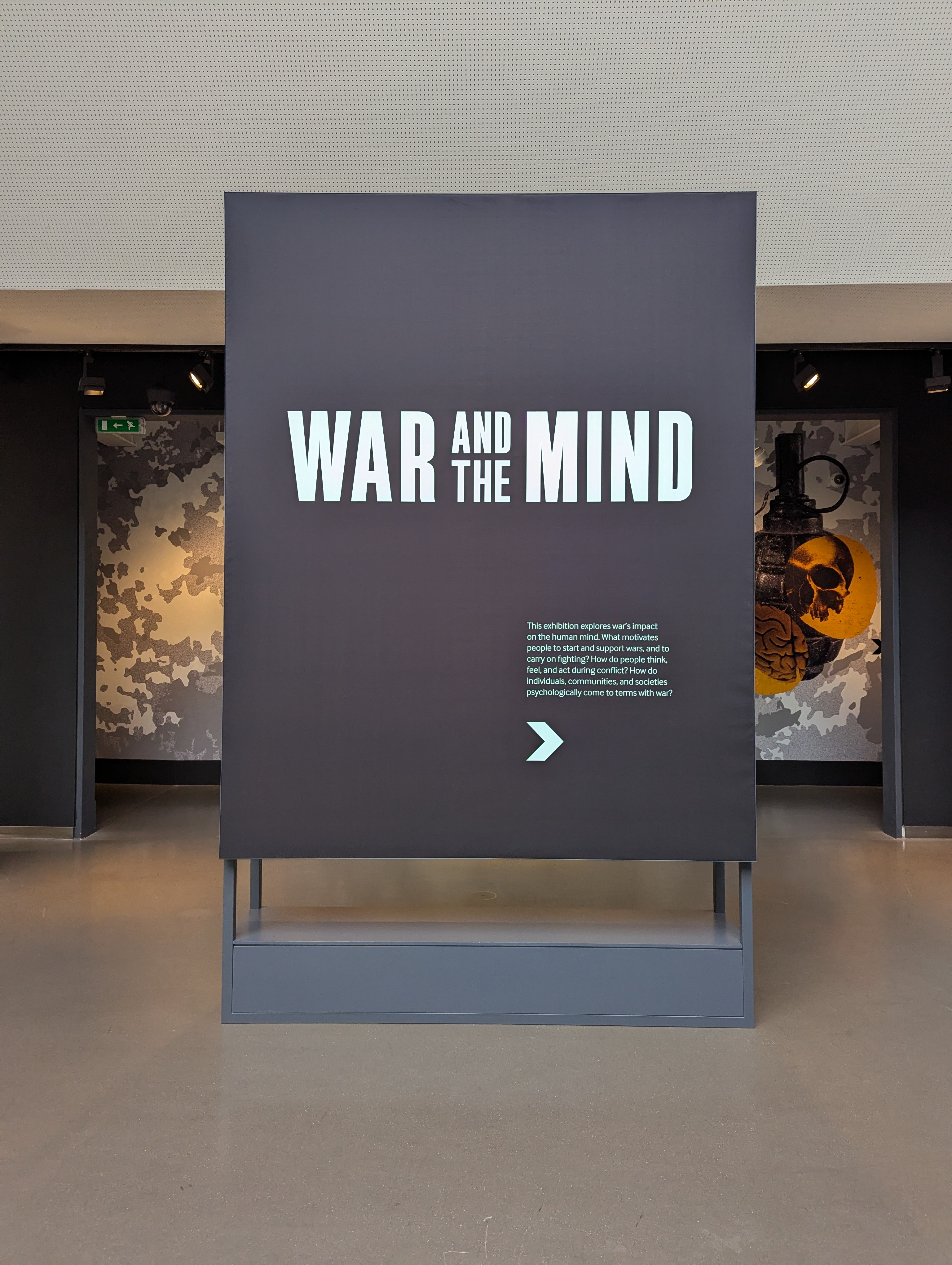
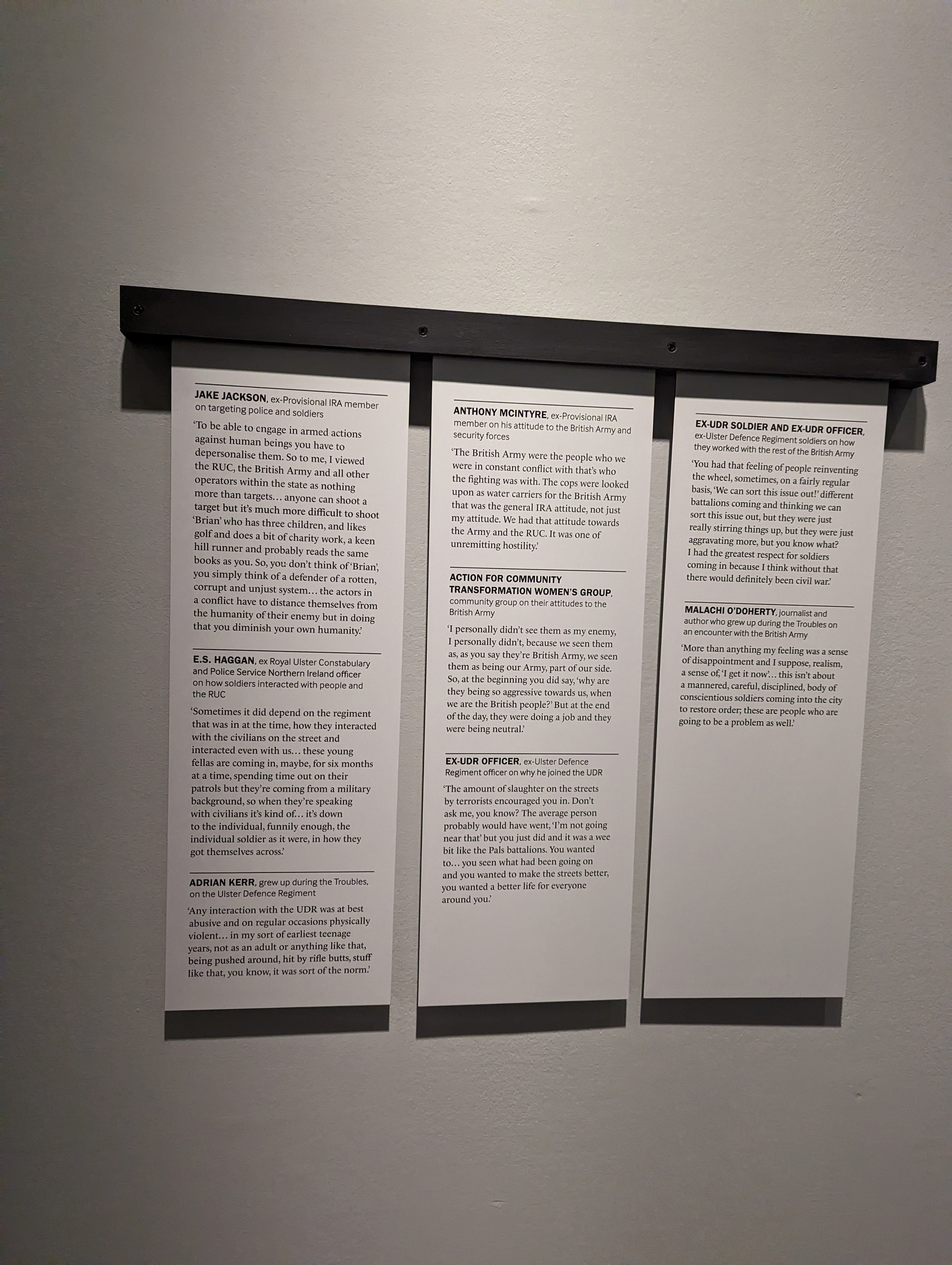
War and the mind exhibit at the Imperial War Museum. The Imperial War museum is a great little attraction and it often has interesting exhibits. They are always thoughtfully done and thought-provoking, and this exhibit on “War and the Mind” was no exception. It covered how people become motivated to start and accept (even support) war, the impact war has on the psyche (and the reverse), both for soldiers and civilians, and then how we are motivated to bring war to conclusion, and think about it in the aftermath. There have been no wars on the mainland of America in the lifetime of anyone I’ve known, but things are different in England. Although the exhibit was not just about impact of war on England, the rich examples and artifacts available particularly from the second World War drew you in, made you think about things at a different level than you might normally. Than I might normally. Excellent exhibit, and I highly recommend it.
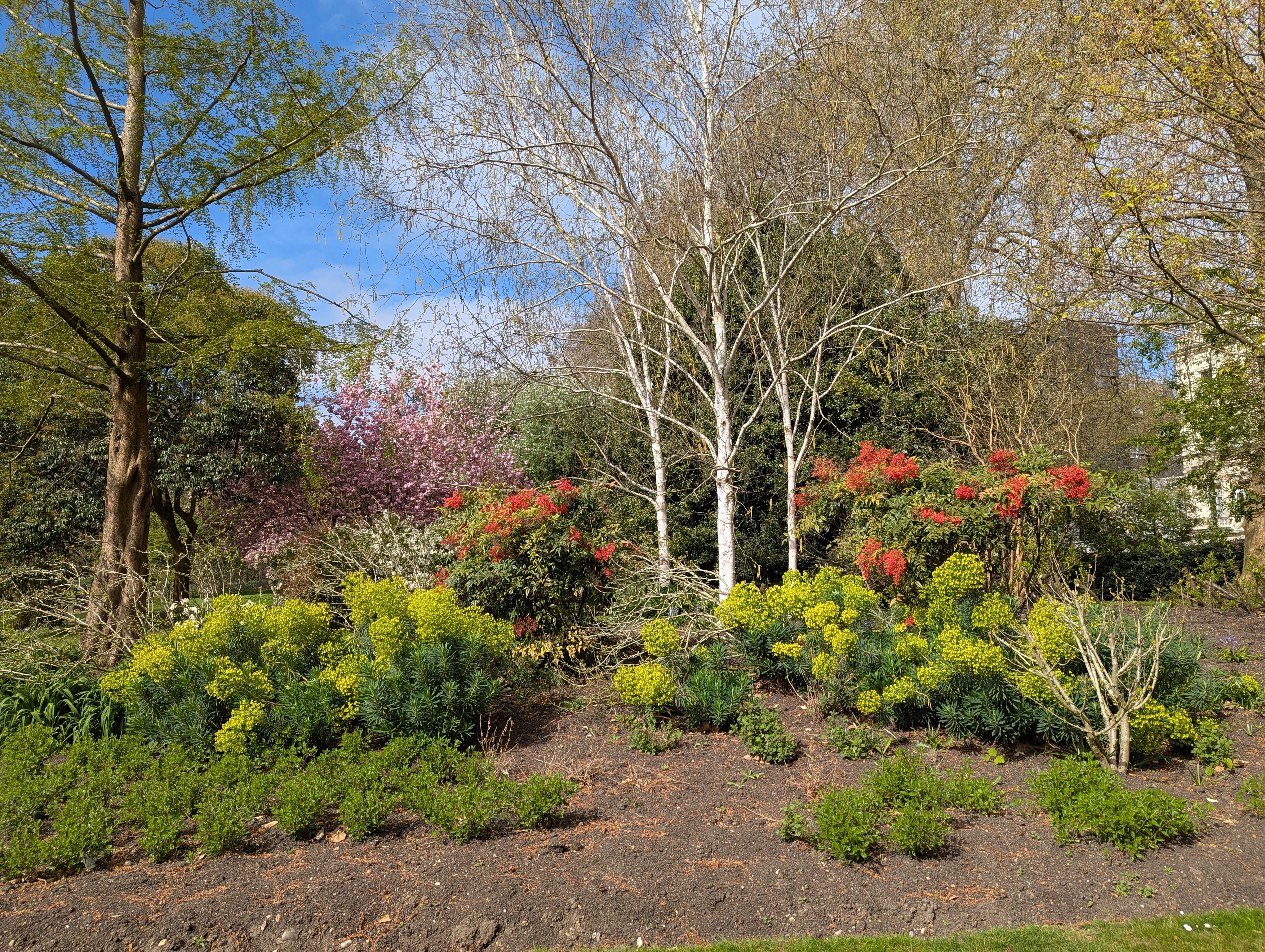
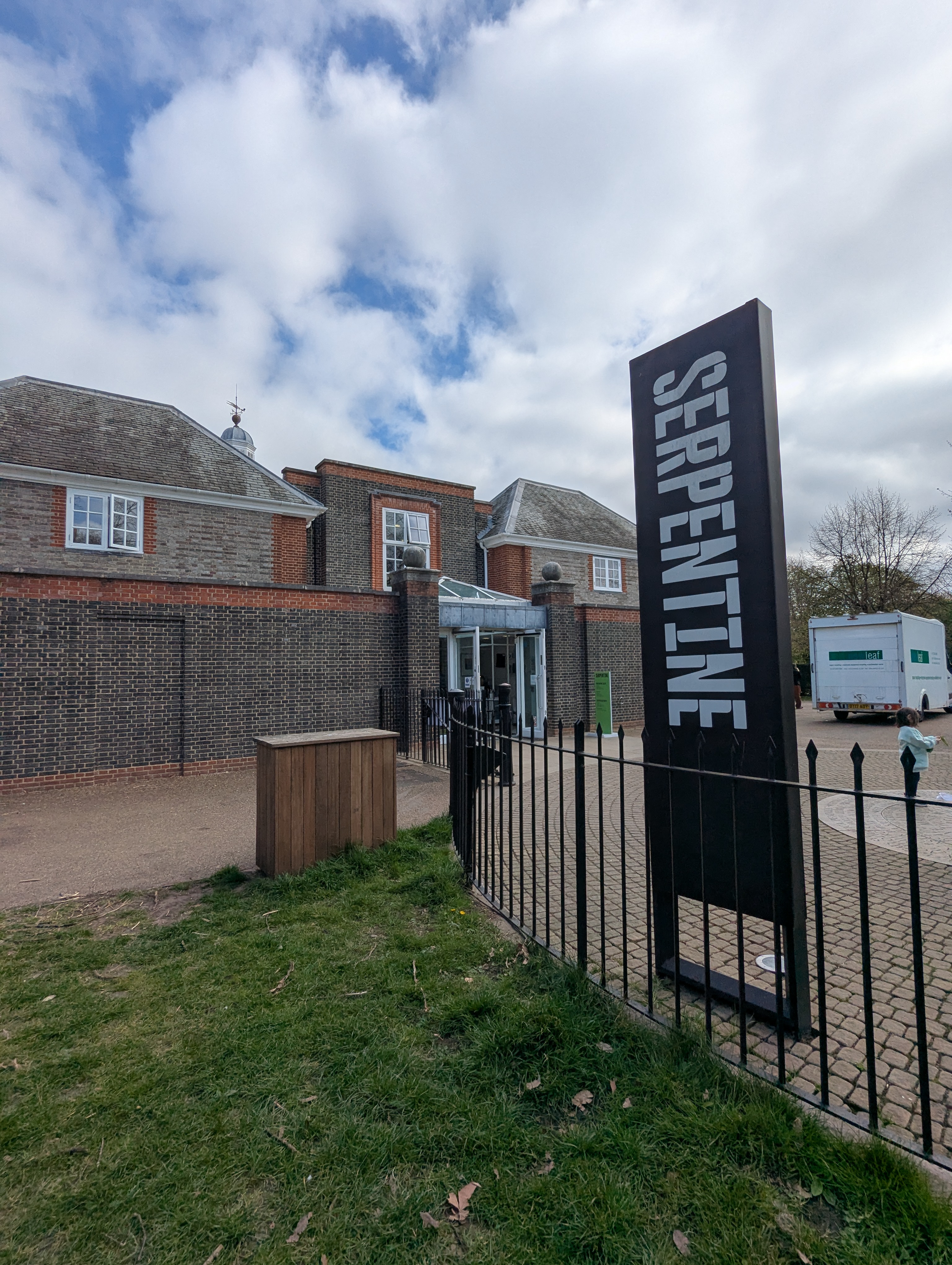
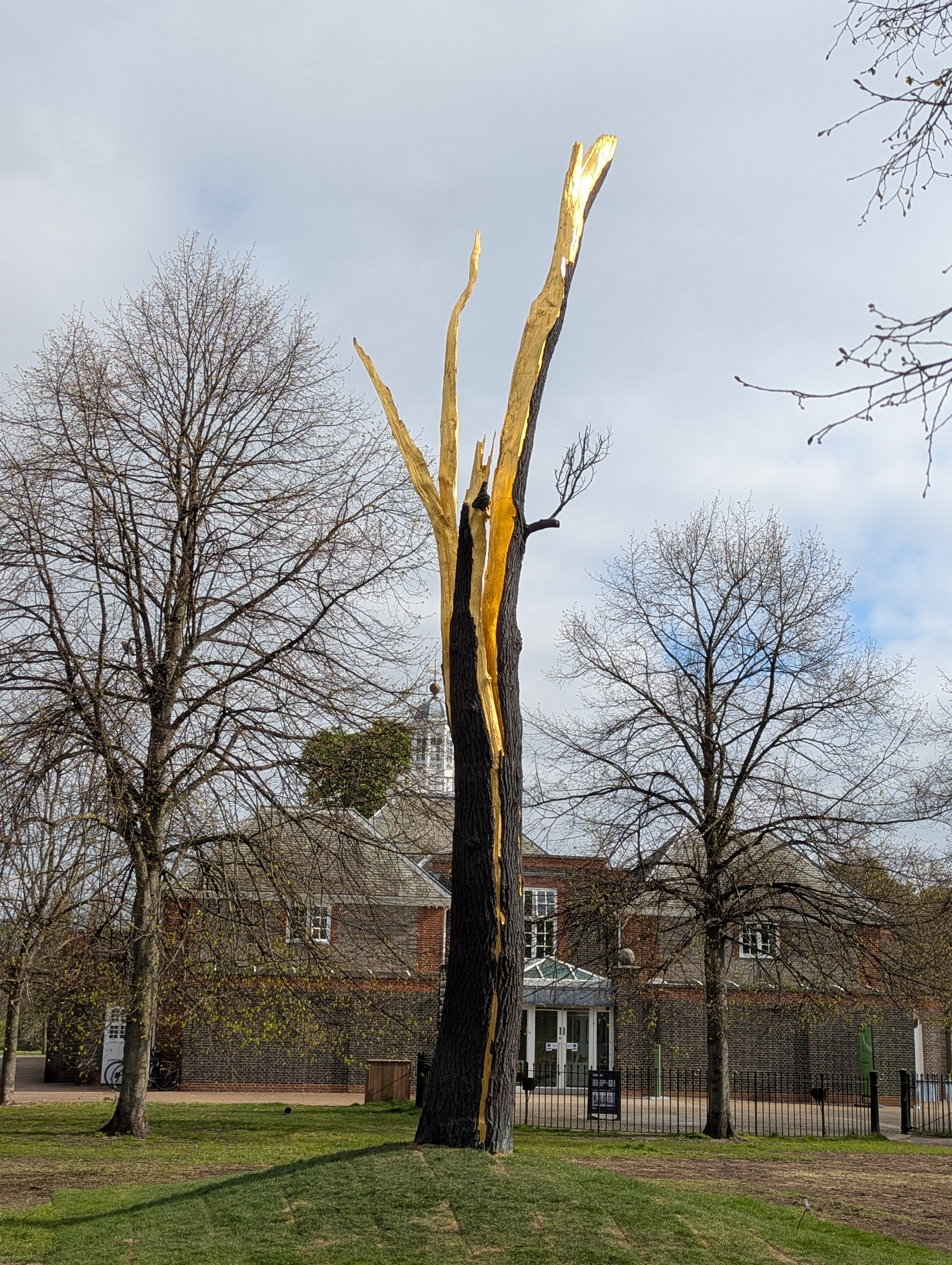
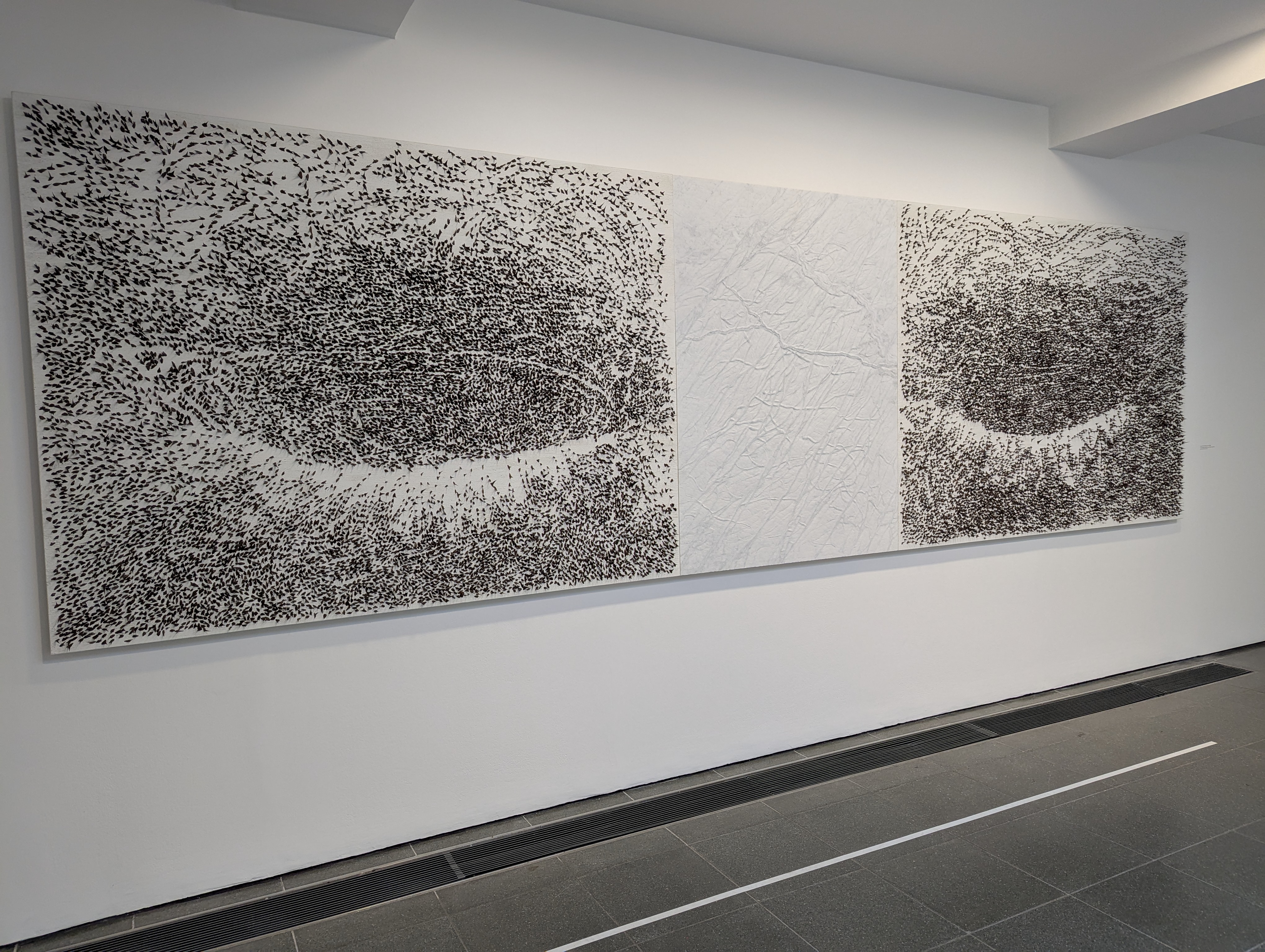
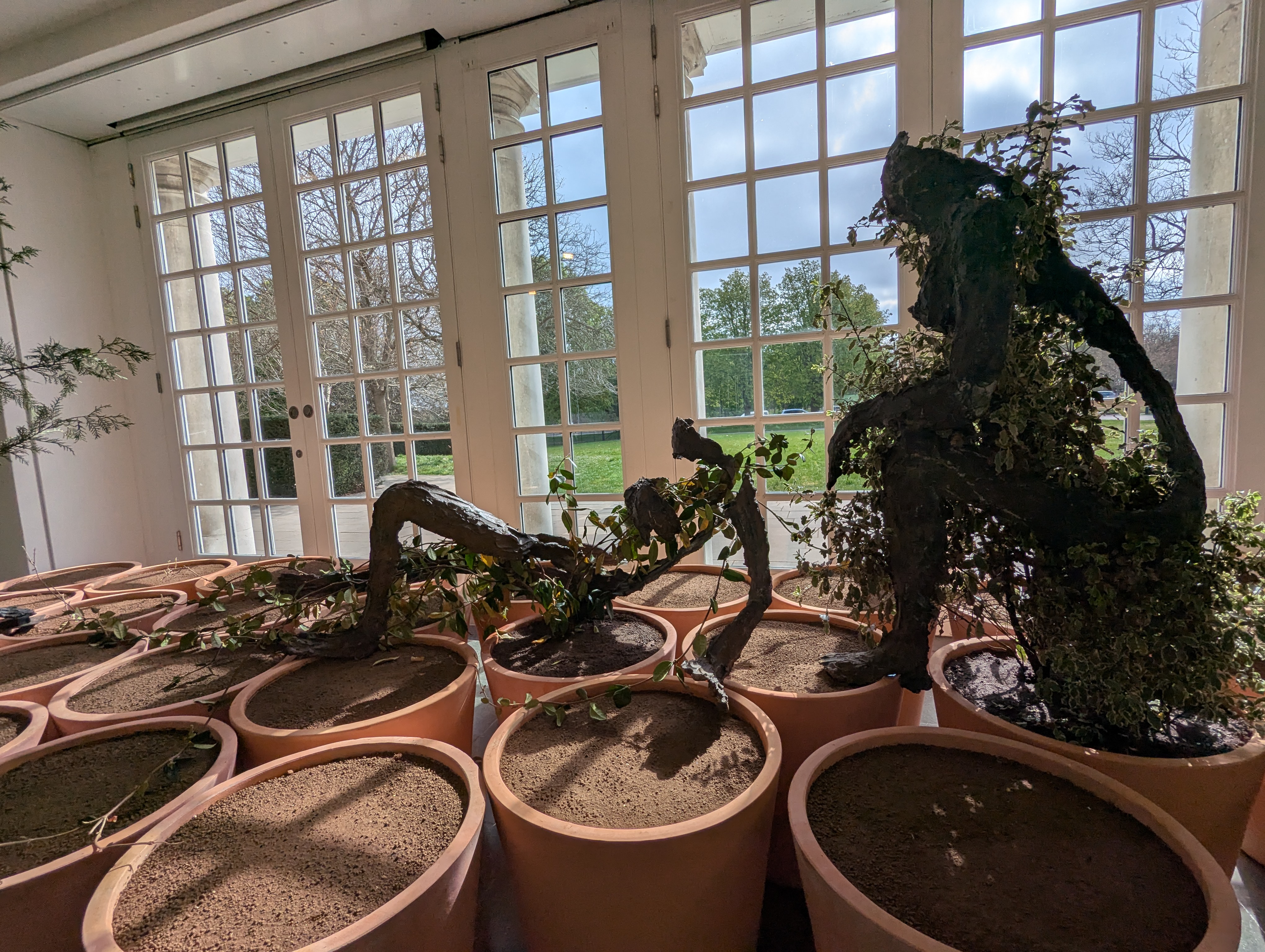
Giuseppe Penone: Thoughts in the Roots at Serpentine Gallery. The Serpentine gallery is located in the Kensington gardens. The day we went was sunny and springlike and the walk over to the Serpentine gallery was peaceful. Every dog in London seemed to be out for a happy romp among colorful flowers.
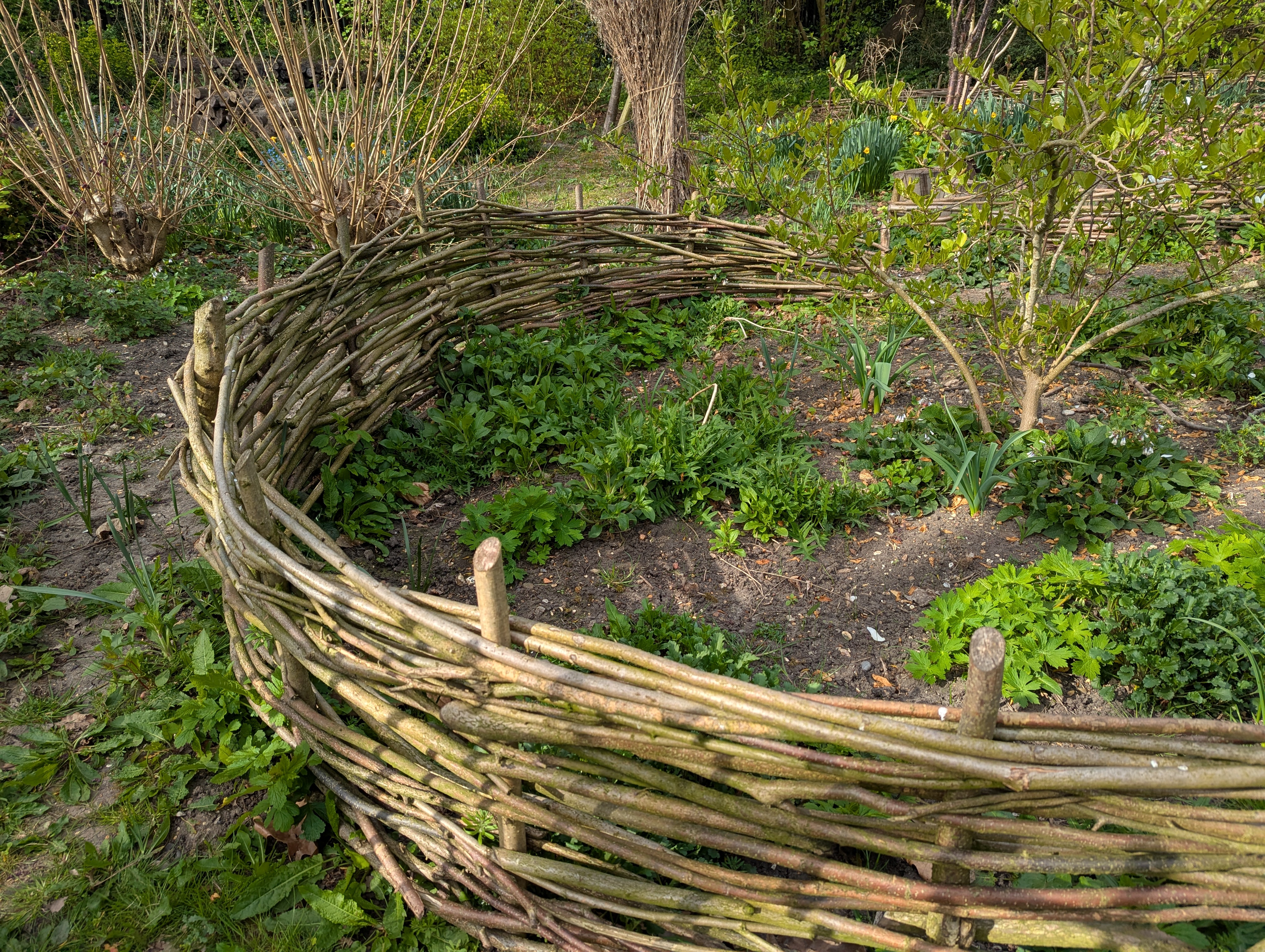
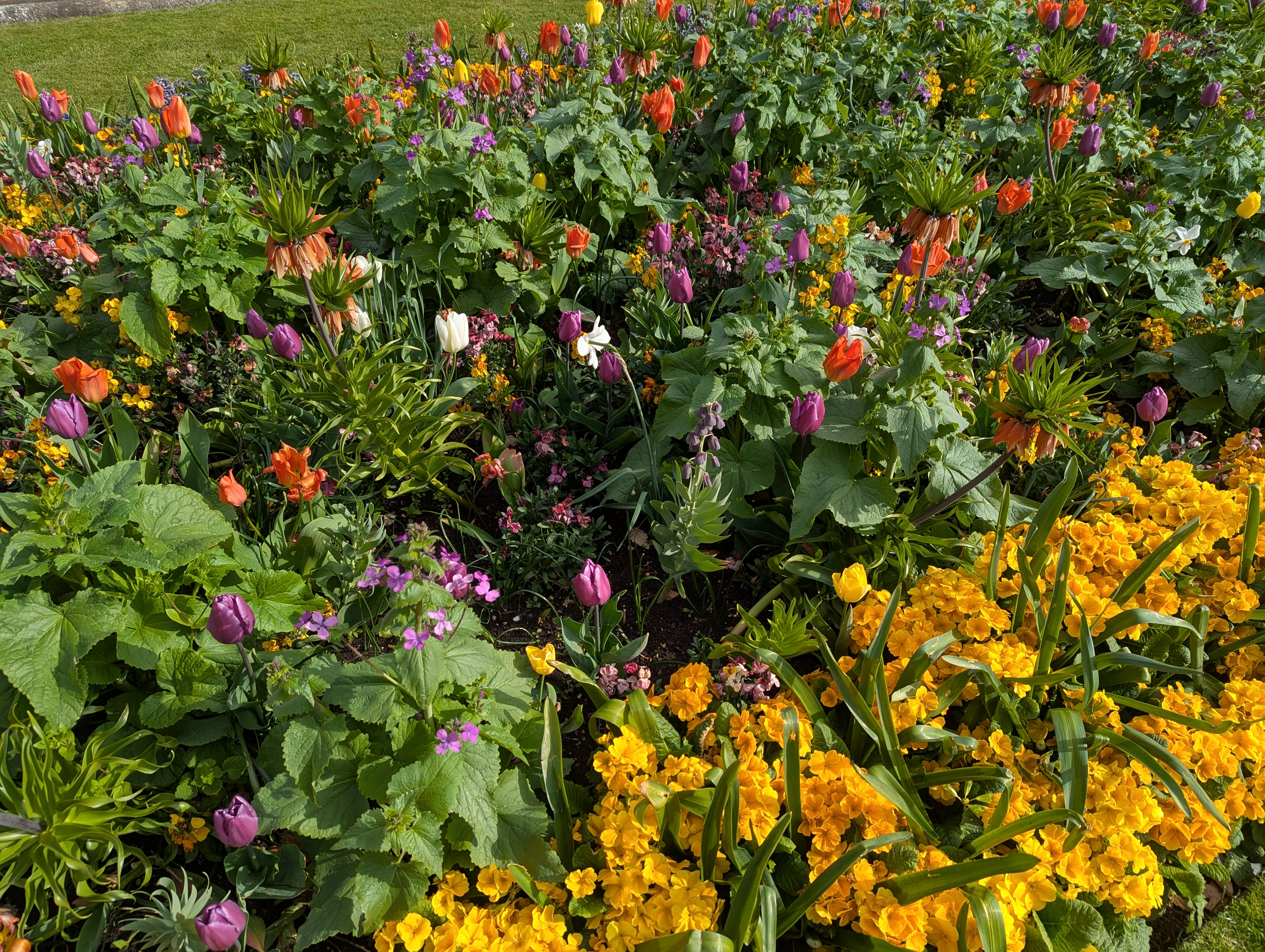
It was the perfect precursor to the Penone exhibit focused on the relationship between humans and nature. There were cool installations of fabricated trees just outside the gallery which we enjoyed until the gallery opened. The exhibit inside the gallery was also awesome. I might be guilty of overusing the word peaceful, but that is what I felt while seeing Penone’s works. My favorite exhibit was in a room in which the installation included sections of encased laurel leaves from floor to ceiling. There were also fabricated tree stumps that were probably the main point of the exhibit and they were lovely, but the smell of the Laurel leaves and their appearance, well, it was amazing.



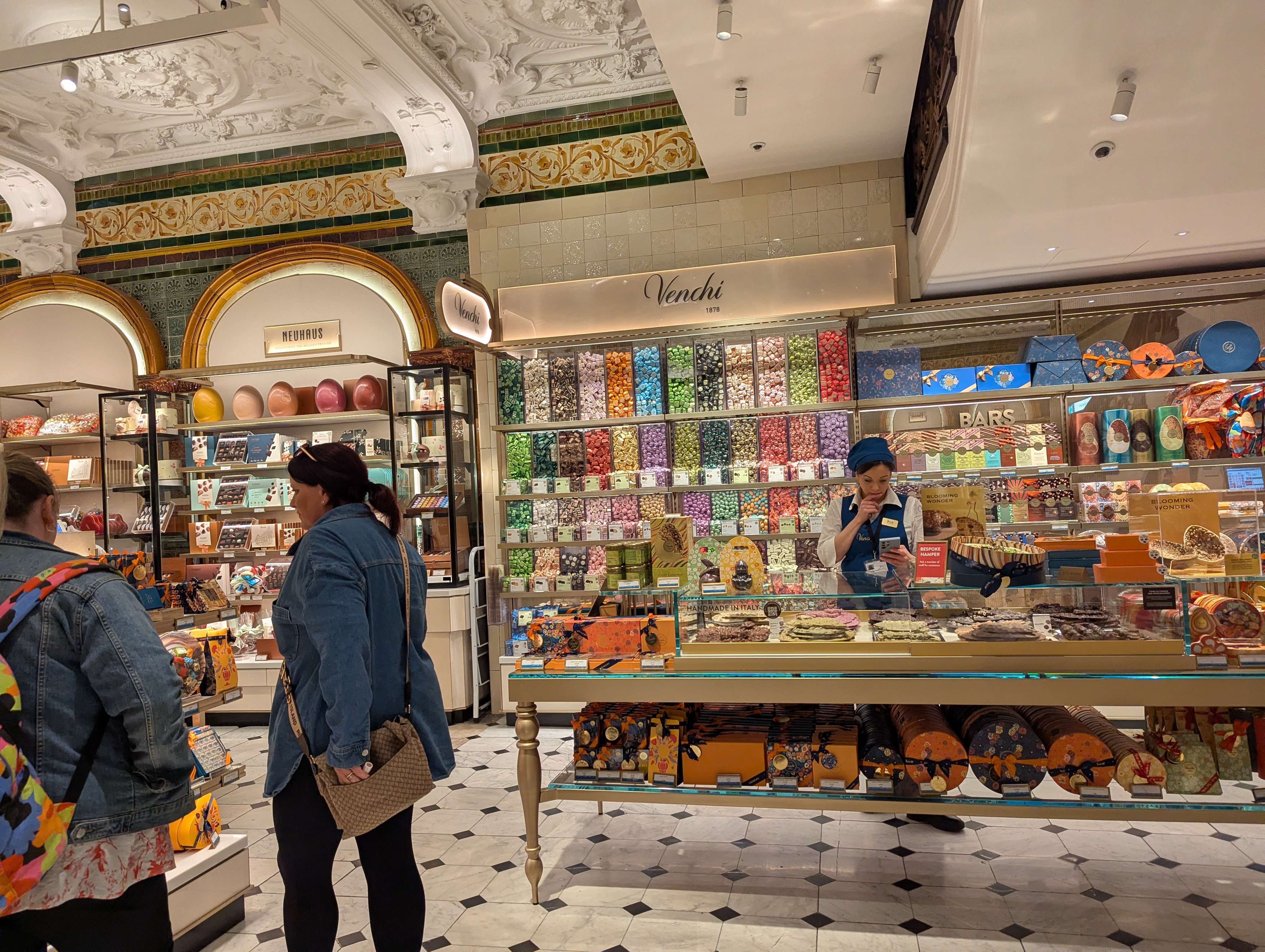
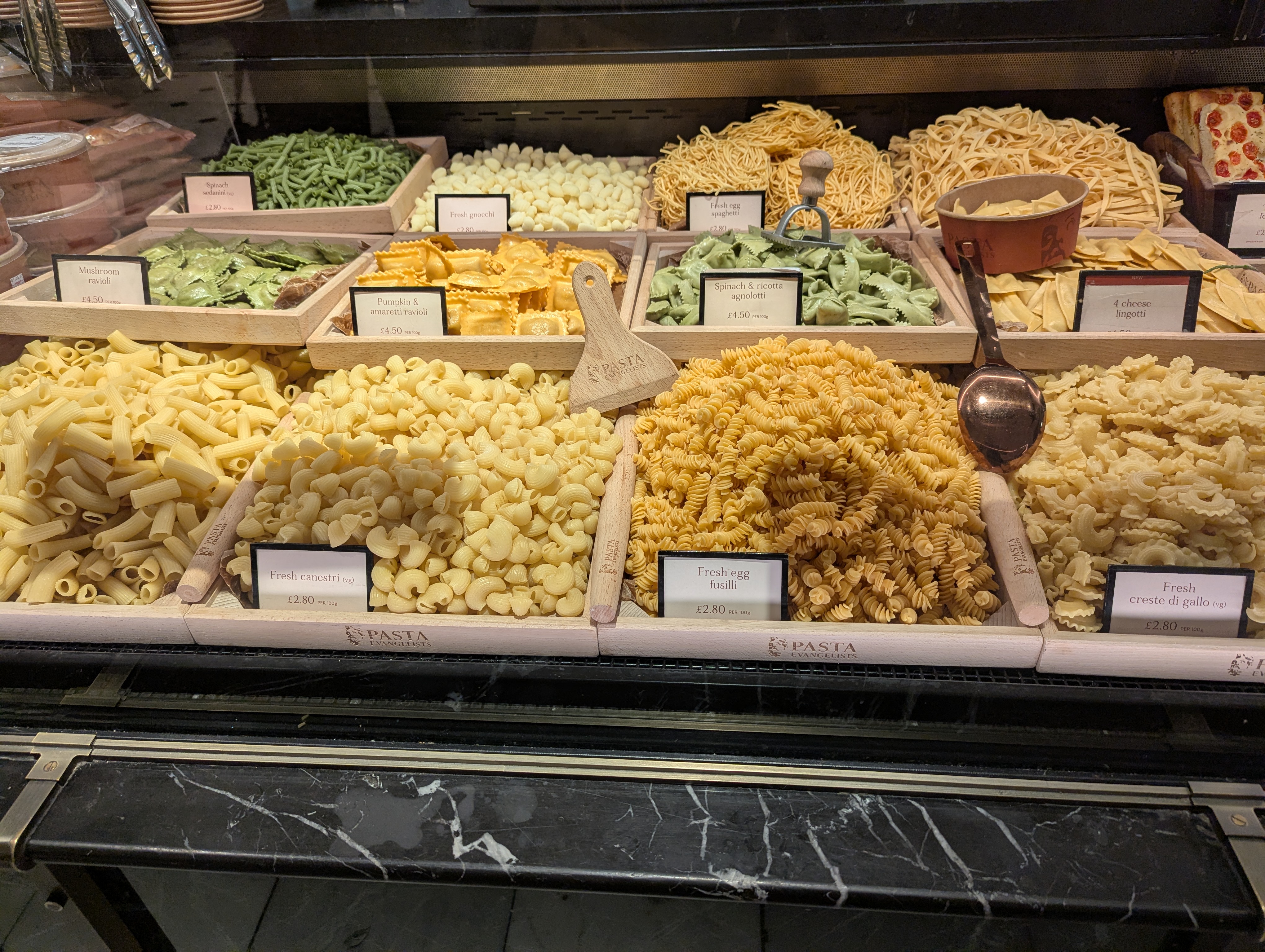
Shopping at Harrods’ food halls. No matter how long you’ve read this blog, never have you ever heard me talking about shopping in London other than at The Emirates. I hate shopping, hate to be in stores. In this case, I took a special trip over to Harrod’s because I’d long heard about the food halls and I was hoping for some Easter candy inspiration. (My husband was on a loftier and more diverse quest elsewhere to London Wetlands, the 24-hour Pianothon at Liverpool Street station, and Traces of Belsen exhibit at Wiener Holocaust Library. Maybe I can convince him to tell us about it here.) The Tube station is right next to Harrod’s and it took some strolling through the departments before I located the Food Halls at the back of the building. If I felt out of place among expensive purses, shoes, scarves, and impeccably-dressed sales people, I clearly was not the only one. Not one person I saw in the store probably had any business shopping there. Anyway, the Food Halls were a special-occasion exception. I visited the room with chocolate, the one with cheeses and meats, and the one with teas, jams, etc. Every thing was so beautiful it was an experience just to look. I ended up buying some chocolate and tea.

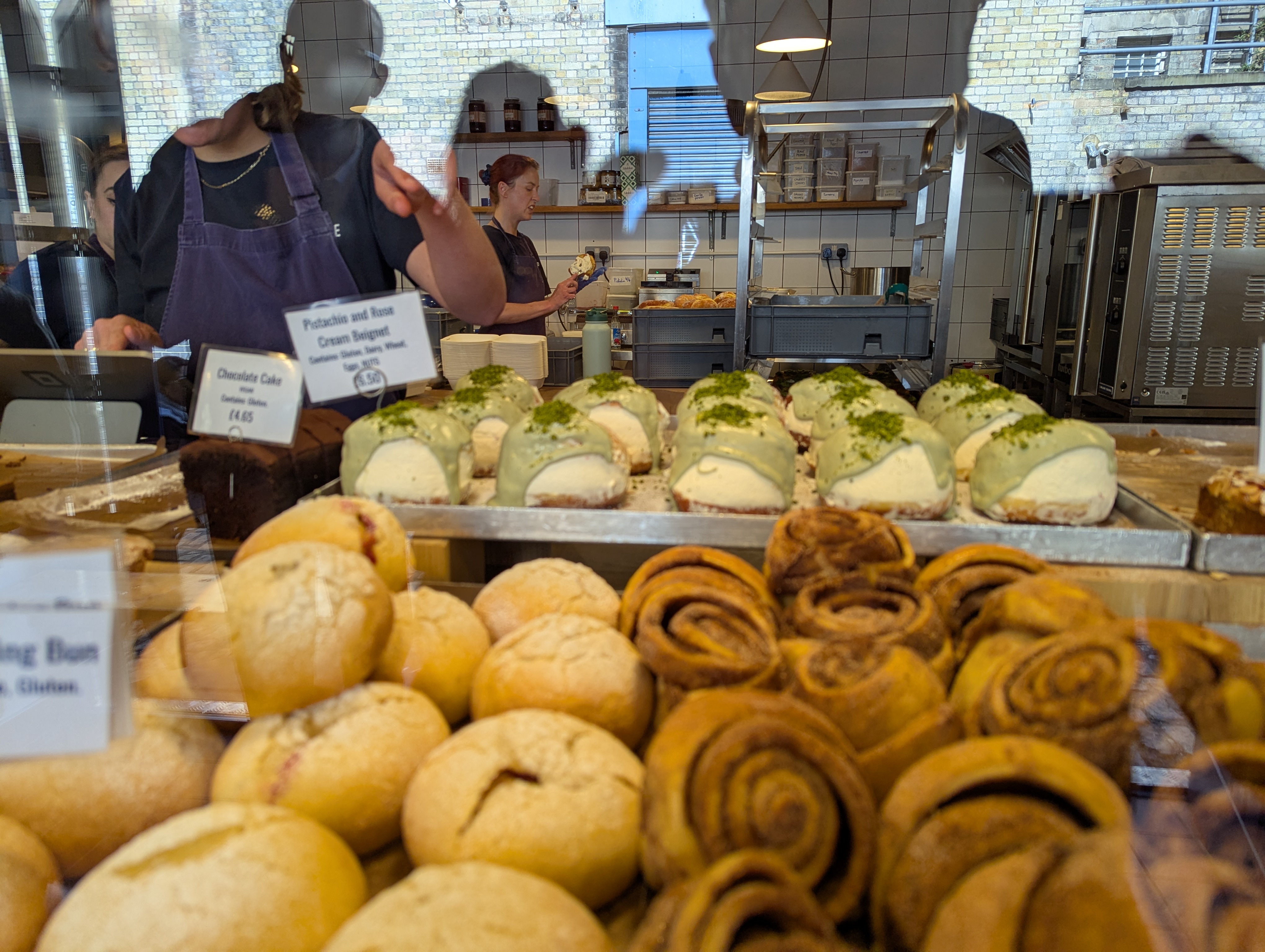
Cream beignets at Fortitude Bakehouse. My niece long ago found out about Fortitude bakehouse online and every time for the past year it’s been on my list to get there. This is a bakery that has a famous cream beignet. I understand that people line up for them for hours. They are ready at 11 a.m. and are available until they sell out each day. But somehow I’ve never managed to get there. I made a mental note on my way from Harrod’s that I had to change trains at the station closest to Fortitude, Russell Square. The bakery is only about a block away from the train station. It was my lucky day because I arrived at about 11:30 to find a bunch of people sitting outside the bakery gorging on cream beignets and other yummy- looking pastries. And only a few people in line ahead of me. It appears they make one flavor each day. On the day I was there it was was pistachio and rose, something like that. What I have to say about the hype about the beignets is that it is simply not enough. Flaky, fried dough dipped in granulated sugar, split and coated with jam, then filled with thick, delicious whipped cream, and glazed on top, in this case with pistachio glaze and nuts. One cream beignet was all I could manage for lunch that day. That, and enough tea to wash it down. It occurs to me that I wrote significantly more about cream beignets than about any other activity. This is not an error.
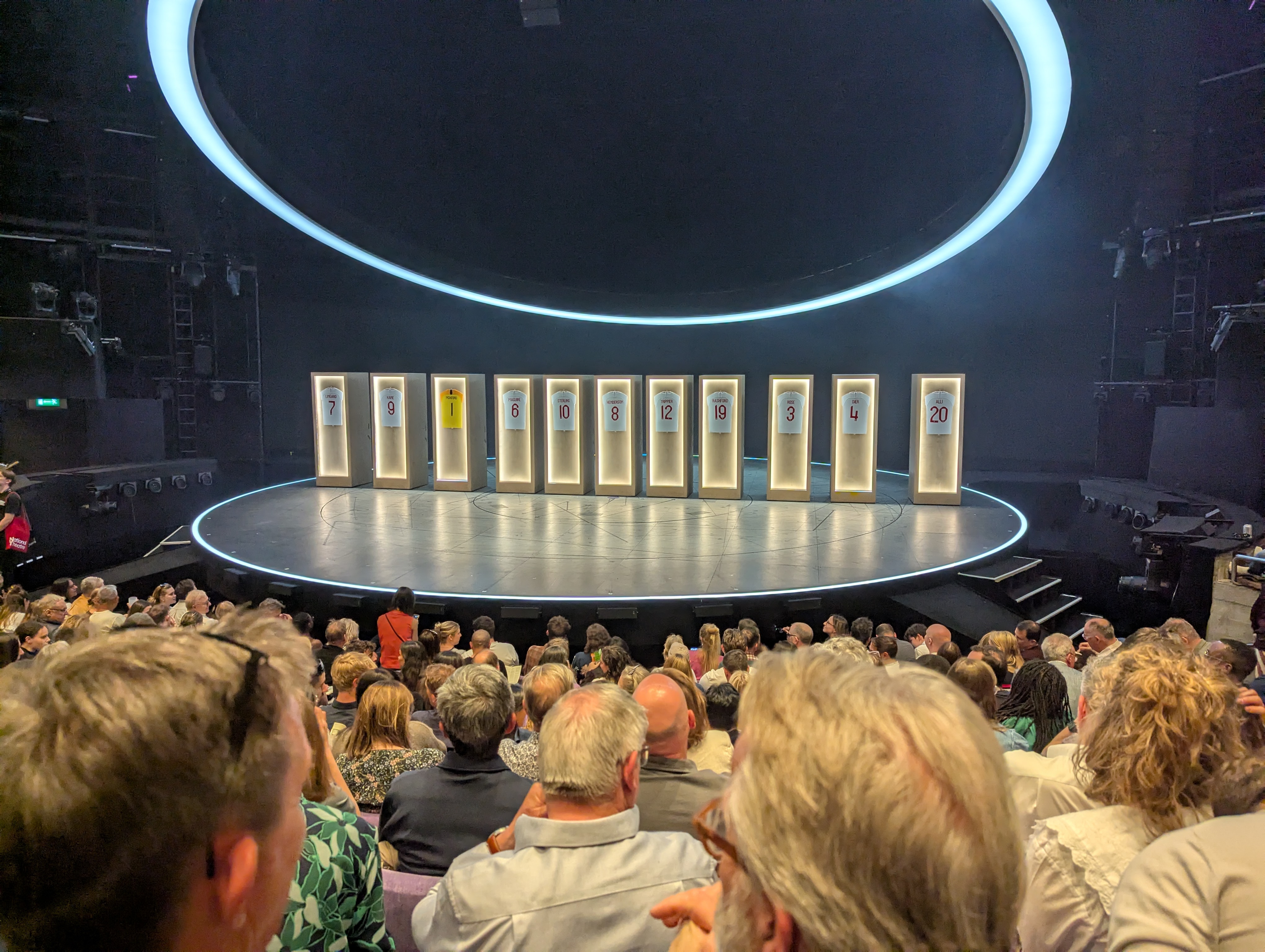
Dear England at the National Theatre. We had intended to attend the play, Three Sisters at Shakespeare’s Globe, but on the day it was supposed to play we received a notice that they had to cancel that evening’s production. We scrambled and found a very different alternative, Dear England, written by James Graham. The play covers the foibles and fortunes (mainly misfortunes) of the real England national soccer team during England’s history and especially Gareth Southgate’s tenure as National Team manager. It’s named after an actual letter that Gareth Southgate wrote during the Covid era before England’s participation in the Euros, the tournament held for only European national teams. How to characterize the real letter? It’s a reflection on the importance of football to the English as well as sort of a plea to take it easy on the very real people who play for the team. The staging was wonderful, the play was interesting, and the characters both lovable and laughable. We thoroughly enjoyed it. The only nit was the poor football technique of the actors. But considering how much of the play focused on England’s misfortunes with penalty kicks, maybe that was intentional?
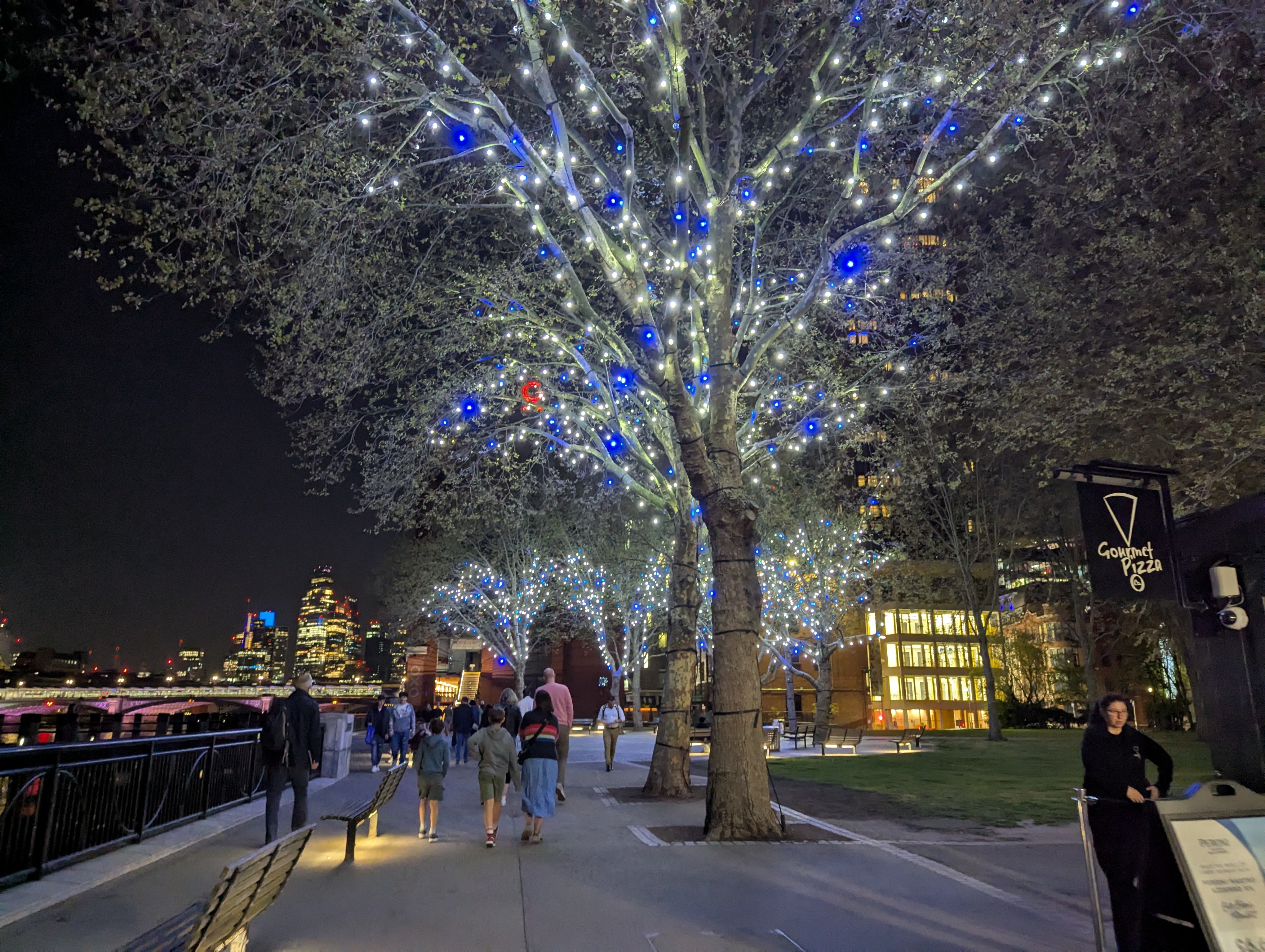
We went to the play on a beautiful warm night and were able to enjoy lovely scenes along the Thames on our walk back home to the One Tun.







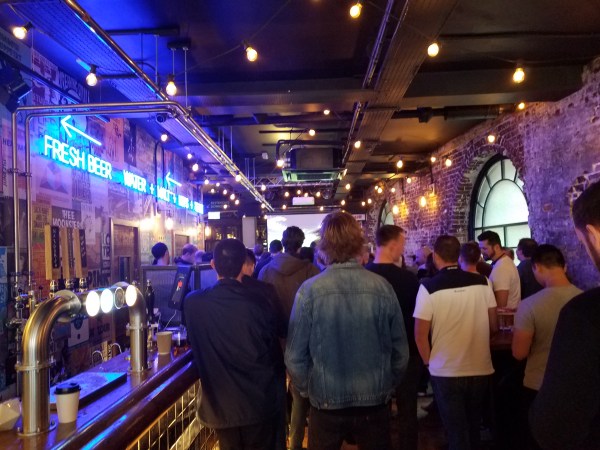 The pub closest to us that was having a viewing party was the Goose Island pub near Shoreditch. Yes, Goose Island is a brew pub originating in our previous adopted home of Chicago, but we were assured by signage that this beer is brewed in Shoreditch. The pub was thronged with supporters of both countries, although the All Black supporters were clearly outnumbered. I have watched very little rugby in my life, and most of it has been when I was visiting London. Even for someone with little expertise in the sport, it was fun watching the fans cheer and sing until the final whistle blew with England (easily) on top above the previous world champions. But why “Swing low, sweet chariot,” and “Chelsea Dagger”? You got me. England has so much musical talent and history, it’s hard to imagine needing to borrow from slaves and Scottish musical groups. I’ll admit the songs are great.




 WholeArsed